
Loading...
Serving Ventura, CA and surrounding areas. (805) 507-9749
Premier Ventura Concrete and Masonry is the masonry contractor Fillmore homeowners call for foundation block walls, retaining walls, and concrete repair. We serve Fillmore and the Santa Clara River valley, responding within one business day.
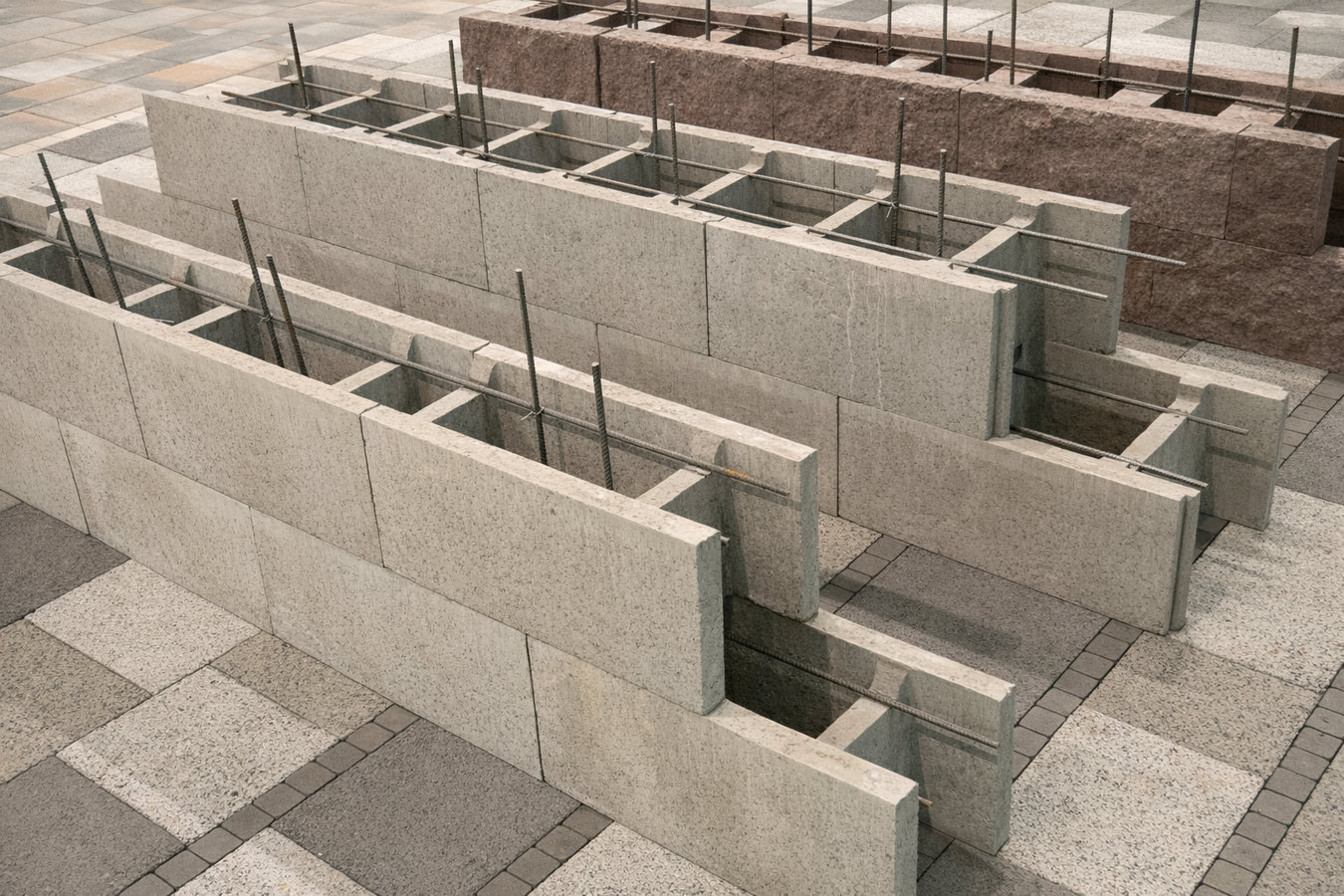
Most homes in Fillmore were built between the 1940s and 1980s, and many of those foundation perimeters were laid when soil engineering standards were less rigorous than they are today. The clay soil in the Santa Clara River valley has been expanding and contracting under those foundations for decades, and many properties show the results - shifted blocks, cracked mortar joints, and sections that have started to lean. Our foundation block wall installation work includes full replacement, partial rebuilding, and drainage improvements to stop the movement from continuing.
Properties on the edges of Fillmore, especially those near the foothills on the north side of town, often have yards with significant grade changes that need proper wall support. The clay soil here absorbs winter rain heavily, and walls without adequate drainage behind them take on full water pressure from saturated ground - which leads to tipping or cracking within a few seasons. We build retaining walls with gravel backfill and drainage pipe so the wall handles the grade without fighting the soil.
Fillmore is one of the last remaining small agricultural towns in Ventura County, and its housing stock reflects that history - a lot of single-family homes on modest in-town lots, many built before 1970. Foundations on homes this age have absorbed years of clay soil movement, and some show the signs: diagonal cracks from window corners, doors that stick in humid weather, and floors with a gradual slope toward one end of the house. Catching this early avoids much more expensive structural work down the road.
Concrete driveways on Fillmore properties have been through decades of summer heat that can top 100 degrees and occasional winter frost, and the clay soil underneath does the rest - cracking and lifting slabs over time. Pavers are a practical alternative because individual units flex with the ground instead of cracking across a wide surface, and any section that settles can be reset without tearing out the whole driveway. They also improve drainage on properties where water tends to pond near the garage or along the driveway edge.
Concrete block fencing and boundary walls are a natural fit for Fillmore properties because they hold up to the valley's temperature swings without the warping and rot that wood fencing develops over time. Many homes near downtown have older block walls that need mortar repointing, cap replacement, or partial rebuilding after years of clay soil movement pushed sections out of alignment. New block walls for property boundaries or yard enclosures add a practical, low-maintenance alternative to wood.
Some of the older homes near Fillmore's downtown core and along Central Avenue have brick chimneys, brick planters, and original brick entry features that date back several decades. The wide temperature swings in the valley - hot, dry summers followed by cool, wet winters - cause mortar joints to open up and brick faces to spall over time, letting water work into the wall assembly. Repointing deteriorated joints and replacing damaged units before water gets behind the brick keeps the structure sound without a full rebuild.
Fillmore is tucked into the Santa Clara River valley with mountains on both sides, and the soil under most of the city is heavy clay - the kind that swells with winter rain and shrinks in summer heat. That seasonal movement is the primary reason masonry in Fillmore fails faster than homeowners expect. Foundations, retaining walls, driveways, and block fences all take on the stress of that expansion and contraction year after year. Homes built between the 1940s and 1980s, which account for a large portion of Fillmore's housing stock, were not engineered for the soil conditions we now understand, and many are showing the cumulative effects.
The valley's fire and flood risk adds another dimension. The hills surrounding Fillmore are fire-prone, and the drainage channels that run toward the Santa Clara River can move fast during heavy winter rain events. Properties near the wildland-urban edge carry additional risk of soil erosion and debris impact on foundations and walls after fire removes vegetative cover from the hillsides above. A masonry contractor working here needs to account for both the soil conditions underfoot and the environmental history of the surrounding hills, not just the surface-level problem you can see from the street.
Our crew works throughout Fillmore regularly, and we understand the local conditions that affect masonry work here. Permitted structural work in Fillmore goes through the City of Fillmore Community Development department, which reviews plans for compliance with the California Building Code and local grading and drainage requirements. Projects that affect slopes or drainage paths near the Santa Clara River corridor may involve additional review, and we factor permit timelines into our project schedules from the start.
Fillmore sits along Highway 126, with the Fillmore and Western Railway depot on Central Avenue serving as one of the city's most recognized landmarks. Most of the older neighborhoods sit close to downtown, where the housing is denser and lots are smaller. The newer subdivisions on the outskirts of town have larger lots and newer construction, but still deal with the same clay soil that affects every property in the valley. Whether we are working on a home a few blocks from the historic depot or out near the newer streets on the west side of town, the soil conditions we are planning around are consistent.
We regularly serve homeowners in Ojai and Santa Paula as well. Calls from Fillmore get the same response time and the same crew that works those neighboring areas - usually a response within one business day and a site visit scheduled within the week.
Reach us by phone or through the contact form on this site. We reply to all Fillmore inquiries within one business day and can usually schedule a site visit within the week.
We come to your property, assess the scope of the work, and provide a written estimate at no charge. For foundation and structural wall work, we walk you through what we found and what the repair involves before any commitment - no vague line items on the quote.
For permitted work, we handle the application with Fillmore Community Development and schedule the start date once approval is confirmed. You do not need to manage the permit process - we coordinate it and keep you updated on timing.
We complete the work on the agreed schedule, clean up the site before we leave, and walk you through what was done. If the job required a final inspection, we coordinate that with the city and confirm sign-off with you.
We serve Fillmore and the Santa Clara River valley. No obligation, no pressure - just a straight answer on what the work involves and what it costs.
(805) 507-9749Fillmore is a small city in eastern Ventura County, tucked into the Santa Clara River valley with mountains rising on both sides. With about 15,000 residents, it is one of the last remaining small agricultural towns in the county - surrounded by working citrus groves and maintaining a downtown character that most nearby cities traded away decades ago. The Fillmore and Western Railway runs vintage excursions from the historic 1887 Southern Pacific depot on Central Avenue - one of the most recognized things about the city among both locals and visitors. The older neighborhoods close to downtown are denser and have more varied housing stock, while newer subdivisions on the edges of town offer larger lots and more uniform construction. Homeownership is the norm here, and most residents plan to stay.
The housing stock in Fillmore skews older than in most of the surrounding region, with a large portion of homes built between 1940 and 1980. These are mostly single-family homes on modest in-town lots, many with original driveways, brick chimneys, and block walls that have never been fully updated. The valley floor soil is heavy clay, which creates ongoing maintenance demands for any masonry or concrete on the property. Neighboring communities like Santa Paula to the west and Ojai to the southwest share similar housing ages and soil challenges, and we serve all three areas regularly.
Restore your foundation's structural integrity and protect your property.
Learn MoreBuild strong retaining walls that control erosion and add usable land.
Learn MoreConstruct solid concrete block walls for lasting privacy and security.
Learn MoreInstall reliable block wall foundations built to last decades.
Learn MoreCreate a stunning outdoor kitchen with custom masonry craftsmanship.
Learn MoreBuild handsome, long-lasting brick walls for any residential setting.
Learn MoreCall us today or submit a free estimate request. We serve Fillmore and the surrounding Santa Clara River valley and respond within one business day.