
Loading...
Serving Ventura, CA and surrounding areas. (805) 507-9749
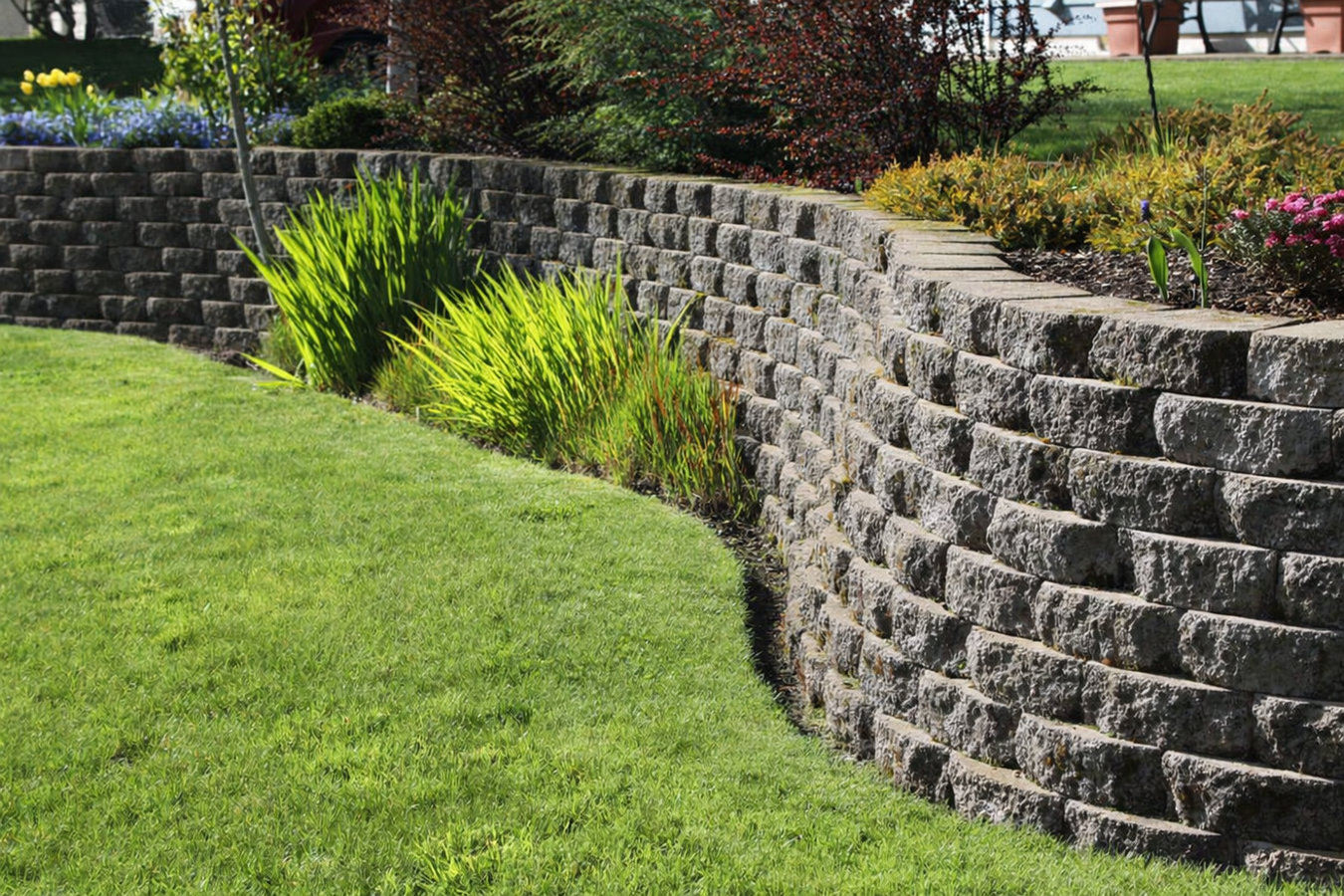
Shifting soil, a leaning wall, or a slope you cannot use are problems that get worse every rainy season. We build retaining walls with proper drainage and permit handling for Ventura hillside lots.
Retaining wall construction in Ventura holds back soil on sloped and uneven properties, prevents erosion during the rainy season, and turns unusable hillside into livable yard space - most standard residential projects are complete in two to five working days once permits are approved.
A large portion of Ventura's residential neighborhoods sit on or near hillsides - particularly in areas like the Foothill Road corridor and the Ondulando neighborhood above Midtown. If you have a sloped lot, a wall that is starting to lean, or soil that washes toward your house after winter rains, a retaining wall is not just a landscaping upgrade - it is a structural fix. Without proper support, that erosion compounds each rainy season and can eventually reach your foundation.
When you are also thinking about the overall structural picture of your property, our masonry restoration service is worth reviewing - it covers repair and rebuilding of existing masonry structures across a range of materials.
If you notice soil creeping toward your driveway, patio, or neighbor's yard after Ventura's winter rains, the slope is not stable. You might see small ridges of dirt building up at the base of a slope, or bare patches where grass used to grow. Left alone, this erosion worsens every rainy season and can eventually undermine driveways, patios, and your home's foundation.
A retaining wall that leans forward or shows diagonal cracks is under more stress than it was designed to carry. This is common in older Ventura neighborhoods where walls were built decades ago without modern drainage requirements. A leaning wall does not self-correct - the pressure behind it continues to build until the wall fails.
When a slope directs water toward your house instead of away from it, you will often see pooling near the base of your exterior walls after a storm. Over time, that moisture can damage your foundation and create damp conditions inside. A retaining wall with proper drainage redirects that water before it reaches the house.
If a section of your property drops off sharply and you have never been able to use it, a retaining wall can turn that wasted ground into a flat, functional area - a garden bed, a patio, or a safe play area. Many Ventura hillside homeowners have more usable land than they realize once a wall is in place.
We build retaining walls in concrete block, natural stone, and poured concrete - each suited to different site conditions, wall heights, and budgets. Every project includes a drainage system behind the wall: gravel backfill and a perforated pipe that moves water away before it can build pressure. Proper drainage is not optional here. Ventura's clay soils absorb water and swell, and a wall without drainage will eventually feel that pressure, regardless of how solid it looks on day one.
For properties that need more than a single wall, we design tiered terrace systems that create multiple flat levels on a steep slope. If you also want to update an adjacent surface with concrete block walls for privacy or property definition, or need masonry restoration on an existing structure nearby, we coordinate all of it as part of the same project scope.
Best for properties where soil movement, erosion, or an unusable slope needs a permanent structural fix.
Suited for existing walls that are leaning, cracking, or were built without adequate drainage and need to be removed and rebuilt correctly.
Ideal for steep Ventura hillside lots where a single wall is not sufficient and a series of tiered walls creates multiple usable levels.
Ventura sits in one of the more seismically active regions of California, with several fault systems nearby. The City of Ventura requires engineering review for taller retaining walls precisely because walls here need to be designed with ground movement in mind - not just the static weight of the soil behind them. A wall built to local seismic standards is a wall that has been calculated by a licensed engineer to handle forces beyond what a standard wall might be built for. That extra step is not red tape - it is documentation that your wall was built right.
The wet-dry cycle that defines Ventura's climate - soaking rains from November through March, followed by a long dry summer - puts walls under real stress. Clay soil expands when it absorbs rain and then contracts as it dries. A wall without a proper drainage system feels that pressure accumulate over multiple seasons until something gives. We serve homeowners on Ventura's hillside lots and across the surrounding area, including sloped properties in Port Hueneme and Camarillo.
We respond within one business day. We will ask about your slope, the wall height you need, and what access the site has - then schedule a site visit. Phone estimates for hillside lots are not reliable - an in-person look is the only way to give you an accurate number.
We walk the property, assess how water moves through the area, and give you a written estimate that covers materials, labor, drainage, and permit fees. If the wall height requires engineering review, we explain what that involves and include it in the quote.
We submit the permit application to the City of Ventura Building and Safety Division on your behalf. Approval typically takes one to three weeks. Once the permit is in hand, we schedule the start date - no digging begins without that approval.
The crew excavates, builds the footing, constructs the wall, and installs the drainage layer behind it as they go. After construction, the city inspector verifies the work against the approved plans. We coordinate that visit and handle the final site cleanup.
Free on-site estimates, written quotes, and permit handling included. We reply within one business day.
(805) 507-9749The most common reason retaining walls fail in Ventura is inadequate drainage behind the wall. We install a gravel backfill layer and a perforated drain pipe on every project - not as an optional upgrade, but as a standard part of how we build. That drainage is what keeps your wall straight through Ventura's wet-dry seasonal cycle year after year.
Ventura's building inspectors check retaining walls against the approved plans. We build to that standard from the first footing course, which means the inspection is a formality rather than a gamble. You get documentation that your wall was built to a code-approved standard - valuable both for peace of mind and for your home's resale record.
Sloped lots in Ventura - particularly in the Foothill and Ondulando areas - have specific challenges: limited equipment access, clay soil conditions, and winter drainage patterns that flat-lot work does not involve. We have built walls on Ventura hillside properties and understand what the site conditions here actually require.
Your written estimate covers materials, labor, drainage components, and permit fees as separate line items - before a single shovel goes in the ground. If something unexpected comes up during excavation, you hear about it immediately. The Masonry Contractors Association of America provides the professional standards we hold our work to.
Local hillside experience, proper drainage practices, and a permit process that gets done right the first time are what separate a wall that lasts decades from one that starts to lean within a few seasons.
For permit requirements and inspection standards in Ventura, the City of Ventura Building and Safety Division is the official source. For seismic design context, the California Geological Survey maintains hazard zone maps for Ventura County.
Restore an existing masonry structure on your property - walls, columns, or facades - that has weathered, cracked, or deteriorated over time.
Learn MoreAdd privacy, property definition, or structural separation with a concrete block wall built alongside or independent of your retaining project.
Learn MorePermit timelines in Ventura mean the sooner you start, the sooner your wall is done and your slope is stable before the first winter storms arrive.